Real-Time AI Visibility Tracking for Small Businesses
 Get Found on AI Team
Introduction: The Pulse of Modern Search
Generative AI is not a static index; it is a living, breathing ecosystem. When a user queries an AI assistant, the response is dynamically generated based on a myriad of real-time variables, retrieval data (RAG), and foundational training. For small businesses, relying on a monthly SEO report is no longer enough to stay competitive.
Implementing real-time AI visibility tracking allows SMBs to monitor exactly when, where, and how their brand is recommended by AI engines. This complete guide will walk you through the setup process, best practices for monitoring, and how to turn tracking data into optimization strategies.
To establish your starting point before implementing tracking, request your free baseline AI audit here.
Getting Started: Setup Process & Initial Configuration
Setting up your tracking ecosystem requires precision. Follow these initial configuration steps:
- Define Your Core Entities: Input your exact brand name, key executives, proprietary product names, and distinct service locations (e.g., specific neighborhoods inOrlando).
- Establish Competitor Benchmarks: Track 3-5 direct competitors. This gives your real-time data context; if your visibility drops but your competitors' drops as well, it might be an algorithm update rather than a flaw in your strategy.
- Configure Query Sets: Input both informational queries ("How to fix a leaky pipe") and transactional queries ("Best emergency plumbers near me").
Looking for the right software? Read our comparison: Best Real-Time AI Brand Visibility Tool for SMBs.
Monitoring Best Practices for SMBs
Information overload is a real danger with real-time tools. Best practices dictate setting up strict alert thresholds. Configure your dashboards to flag anomalies rather than daily fluctuations. Assign one dedicated team member to review the dashboard twice a week, ensuring accountability without burning out your staff.
Understanding Your Tracking Data
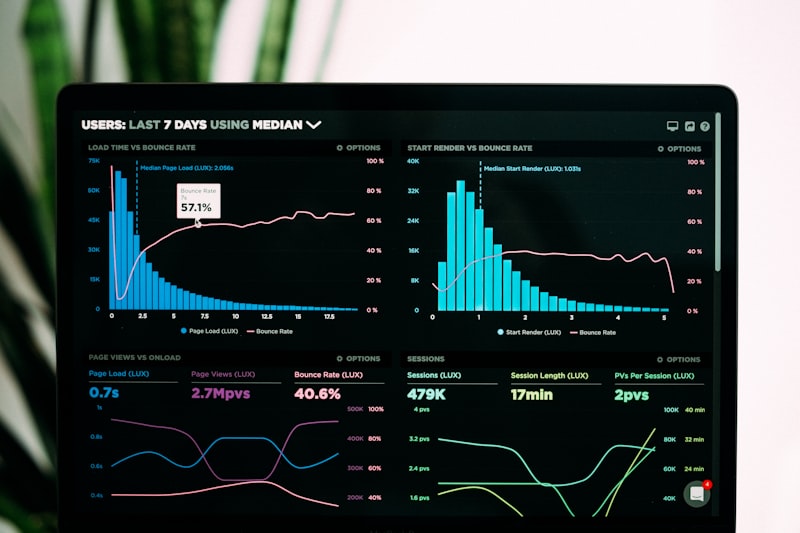
When you open your real-time dashboard, you'll encounter new metrics. Here is how to interpret them:
- Share of AI Voice (SOIV): The percentage of times your brand is recommended out of the total queries tracked. A rising SOIV means your entity authority is growing.
- Citation Rate: In RAG-based systems (like Perplexity), this shows how often your specific website is linked as a source. High citation rates correlate directly to high-quality, structured content.
- Sentiment Score: An AI might mention you, but is it a positive recommendation? Sentiment algorithms track the context of the mention (Positive, Neutral, Negative).
Optimization Strategies Based on Real-Time Data
Data tracking is only the first half of the equation; optimization is the second. If your real-time tracking shows a sudden drop in visibility on Claude, but stability on ChatGPT, you must react. This discrepancy often points to gaps in specific external datasets. Quick Wins: Immediately audit your JSON-LD schema for errors, push a high-authority press release to refresh your digital footprint, and update your Google Business Profile to trigger fresh crawling.
Setting Success Metrics & KPIs
How do you know if your tracking and optimization efforts are working? Define clear KPIs:
| Metric | Target Goal (90 Days) | Business Impact |
|---|---|---|
| Brand Mention Frequency | +25% increase across top 3 LLMs | Higher brand awareness & trust |
| Zero-Click Conversions | 15% increase in direct phone calls | Direct revenue generation |
| Citation Acquisition | Appearing as source link in 40% of queries | Increased referral web traffic |
Common Tracking Challenges & Solutions
SMBs often struggle with Data Volatility. AI outputs can change daily based on slight prompt variations. Solution: Ensure your tracking tool uses standardized, API-driven prompts rather than relying on manual browser testing. Another challenge is Attribution—proving that an AI recommendation led to a sale. Solution: Use AI-specific discount codes or dedicated phone tracking numbers mentioned only in AI-optimized content.
FAQ: Real-Time Tracking Implementation
Do we need technical coding skills to set this up?
Most modern SaaS tracking tools for SMBs feature visual dashboards and require zero coding. You only need technical skills if you are building custom API hooks.
Will this slow down our website?
No. Tracking happens externally on the AI engines, not on your servers. It has zero impact on your website's performance.
How soon after optimization will tracking metrics improve?
In real-time RAG models, updates can reflect within 48 hours of your new content being indexed by search engines. Foundational models may take months to reflect changes.
Conclusion & CTA
Real-time AI visibility tracking empowers small businesses to pivot faster than legacy corporations. By understanding your data and executing rapid optimizations, you ensure that your brand remains the top recommendation in the new era of conversational search.
Ready to integrate real-time insights into your strategy? Click here to claim your free AI visibility audit and see where you currently stand!
Written by Get Found on AI Team
Our collective of AI search optimization experts, data scientists, and digital strategists dedicated to helping SMBs navigate the future of discovery.
Ready to improve your AI visibility?
Find out exactly where you stand with our comprehensive 20-point analysis.
Get Your Free AuditRelated Articles

Is Your Business Invisible to ChatGPT? A Complete Guide to AI Visibility
Discover how AI visibility works, why traditional SEO isn't enough anymore, and the exact steps you need to take to ensure ChatGPT recommends your business.
 Alex Rivera

How to Get Your Website Ranked in Perplexity AI Search Results
Perplexity AI is becoming the go-to research tool for professionals. Learn the technical requirements to ensure your site is cited as a trusted source.
Alex Rivera

The Complete Guide to LLM Optimization: Rank in ChatGPT, Gemini & Claude
A comprehensive guide to optimizing your digital presence across all major Large Language Models. Learn the universal principles of AI SEO.
Alex Rivera
Interested in an AI Audit for Your Business?
Request a comprehensive analysis below. We'll show you exactly how visible you are to AI models and provide actionable recommendations.